

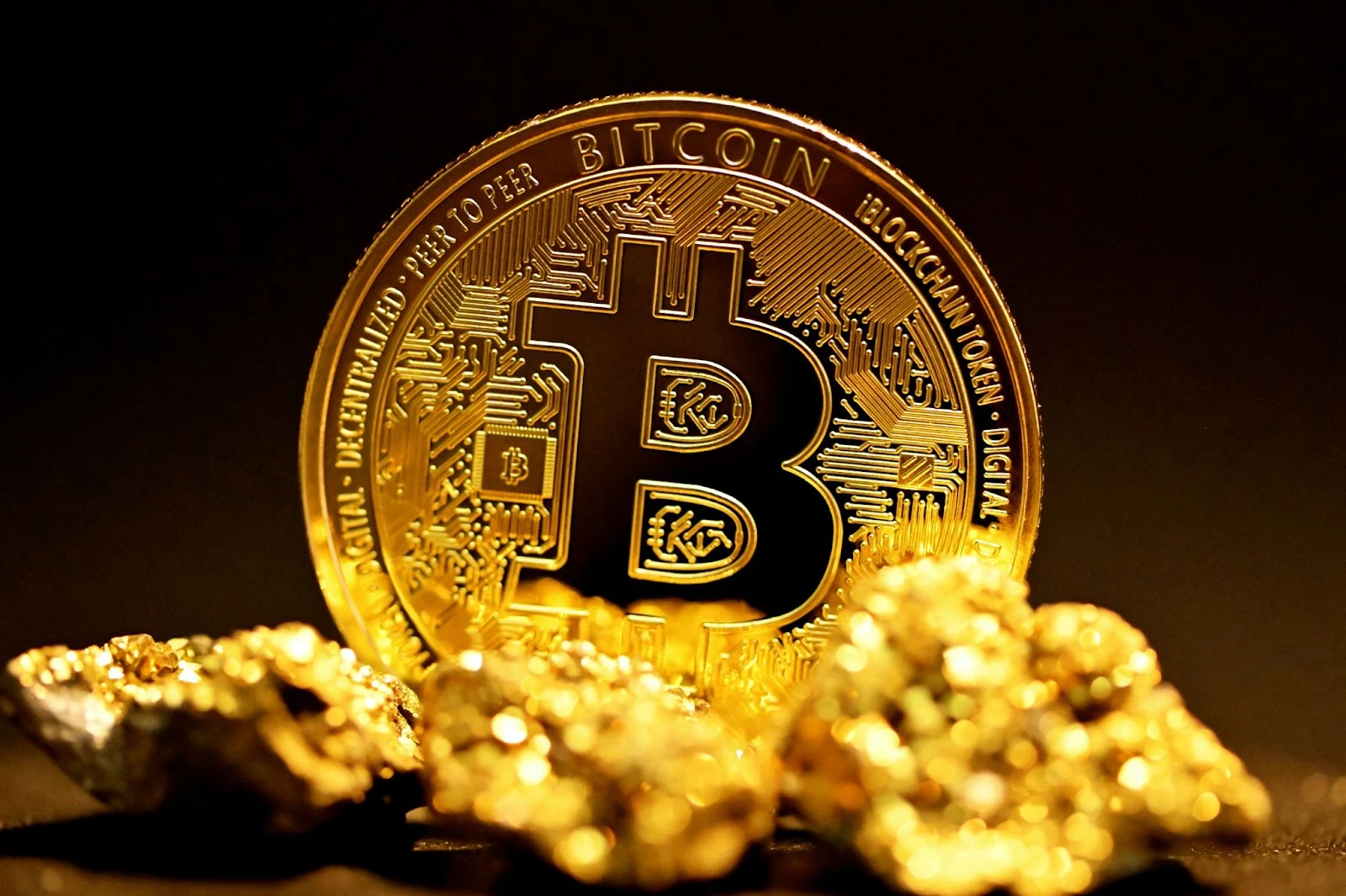
Bitcoin (BTC), as a decentralized digital currency, was born in 2009. It is based on blockchain technology and has characteristics such as anonymity, decentralization, and global circulation. The total amount of btc to php is fixed at 21 million, and its price fluctuations are influenced by various factors such as market supply and demand, macroeconomic environment, policies and regulations. The Philippine peso (PHP) is the legal tender of the Philippines, issued and managed by the Central Bank of the Philippines. The Philippine peso is widely used in various fields such as daily transactions and commercial activities in the Philippines, and its exchange rate is closely related to the US dollar exchange rate in the international market and the economic situation in the Philippines.
Market Status of Bitcoin Exchange for Philippine Peso
In recent years, with the continuous development of the digital currency market, the demand for Bitcoin to exchange for Philippine pesos has gradually increased. In the Philippines, there have been some specialized digital currency trading platforms that allow users to exchange Bitcoin for Philippine pesos. These platforms provide convenient trading channels, and users can complete the redemption process through online operations. Meanwhile, the price of Bitcoin to Philippine pesos is constantly fluctuating. Due to the high volatility of Bitcoin prices, the exchange rate also frequently changes. Investors and traders need to closely monitor market dynamics to conduct exchange operations at the appropriate time.
Ways to exchange Bitcoin for Philippine Peso
Digital currency trading platform
This is the most common way of exchange. Users need to register an account on a legitimate digital currency trading platform and complete relevant processes such as real name authentication. Afterwards, deposit Bitcoin into the platform account and exchange it for Philippine pesos based on the real-time exchange rate displayed on the platform. After the transaction is completed, users can withdraw the exchanged Philippine pesos to their own bank account.
Offline trading
Some users may also choose offline trading methods. Find individuals or institutions willing to exchange Bitcoin and Philippine pesos through acquaintances, social networks, and other channels. After negotiating the exchange price and transaction method, conduct face-to-face transactions or complete transactions through online transfers. However, offline transactions carry certain risks, such as credit issues and financial security concerns of the counterparty.
The risks and challenges of exchanging Bitcoin for Philippine pesos
Price fluctuation risk
The drastic fluctuations in Bitcoin prices pose significant price risks during the exchange process. If the price of Bitcoin drops significantly during the exchange process, it may cause users to suffer losses after the exchange. Similarly, if the price of Bitcoin rises significantly, users may miss out on better exchange opportunities. Also worth reading: A Practical Marketing Plan for Small Businesses With Limited Resources.
Regulatory risk
The regulatory environment of the digital currency market is constantly changing on a global scale. The regulatory policies of the Philippine government towards digital currencies are gradually improving, and stricter regulatory measures may be introduced in the future. This may have an impact on the exchange of Bitcoin for Philippine pesos, such as restricting the operation of trading platforms and raising transaction thresholds.
Security risks
Both online and offline trading platforms have certain security risks. Online trading platforms may be vulnerable to hacker attacks, resulting in users’ Bitcoin and funds being stolen. Offline transactions may encounter problems such as fraud, and the security of users’ personal information and funds cannot be effectively guaranteed.
Prospects of Bitcoin to Philippine Peso exchange
With the continuous maturity of the digital currency market and the development of the Philippine economy, the market for Bitcoin to exchange for Philippine pesos is expected to further expand. On the one hand, with the advancement of technology, the security and stability of trading platforms will be improved, and users’ trading experience will be more convenient and secure. On the other hand, the Philippine government may strengthen regulation while guiding the healthy development of the digital currency market, providing a more standardized market environment for Bitcoin to Philippine pesos transactions. However, as an emerging financial asset, the future development of Bitcoin still faces significant uncertainty. Investors and traders need to fully understand the market situation and make cautious decisions when exchanging Bitcoin for Philippine pesos.
In short, the exchange of Bitcoin for Philippine pesos is a field full of opportunities and challenges. When participating in it, we need to remain rational and cautious, fully aware of the risks and benefits involved, in order to achieve our investment goals.