

Introduction
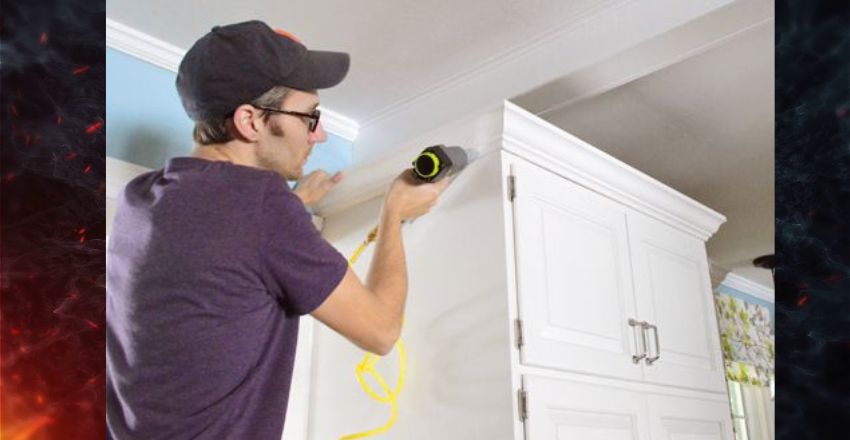
Cabinet molding refers to the decorative trim applied to the edges of cabinets, typically made from materials like Wood, MDF, or polyurethane. It can be installed around cabinet doors, along shelving edges, or at the top and bottom of cabinetry. The guide discusses types of cabinet molding, including crown, base, and panel molding, and the costs can vary: basic MDF molding may cost around $1 to $3 per linear foot, while high-quality wood molding can range from $4 to $10 per linear foot.
| Basics | Details |
| What is It? | Decorative trim for cabinets. |
| Types | Crown, Base, Panel Molding. |
| Benefits | Adds elegance and hides gaps. |
| Choosing | Based on style and material. |
| Room Usage | Kitchens, bathrooms, living rooms. |
| Maintenance | Clean regularly and repair when needed. |
| Trends | Minimalist or traditional. |
| Cost | MDF: $1-$3/ft, Wood: $4-$10/ft. |
| Durability | Long-lasting with care. |
What is Cabinet Molding?
Cabinet molding refers to the ornamental or decorative trim applied to the edges of cabinets. It can be installed around cabinet doors, at the top or bottom of the cabinetry, or along the edges of shelving units. Made from materials like Wood, MDF (medium-density fiberboard), or polyurethane, it offers a classic look while also enhancing the design of modern interiors.
Why Cabinet Molding Enhances Kitchen Design
Cabinet molding plays a significant role in elevating the overall look and feel of cabinetry by adding decorative accents and a sense of architectural completeness. Rather than simply filling space, molding provides a refined transition between cabinets and walls or ceilings, framing the cabinetry in a way that brings cohesion to the room’s design. Different styles of molding—from crown and base molding to applied trim and decorative accents—allow homeowners and designers to tailor the aesthetic, whether aiming for traditional elegance or modern simplicity. Incorporating cabinet molding not only enhances visual appeal but also helps tie individual cabinetry pieces into the broader design scheme of a kitchen or living space, making it a valuable consideration for anyone looking to improve both value and style in their home.
Different Types
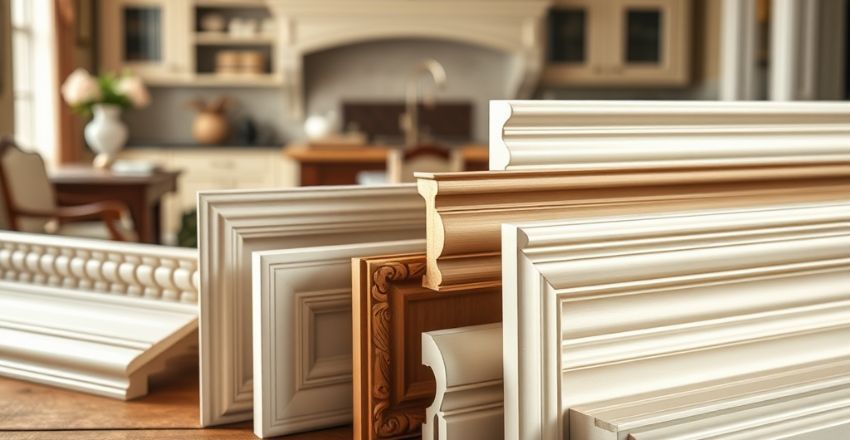
Several types of cabinet molding can be chosen based on design preferences. Common options include crown molding, base molding, and panel molding. Crown molding adds a touch of elegance by covering the top edge of cabinets, while base molding helps to create a seamless transition between the cabinet and the floor. Panel molding, on the other hand, adds depth to cabinet doors.
Benefits
One of the main benefits of cabinet molding is its ability to create a refined, polished appearance in any room. It adds sophistication to plain cabinets, making them look more luxurious. Additionally, it can serve a functional purpose by covering gaps between the cabinet and the wall or floor, hiding imperfections, and creating a clean, seamless look.
Choosing the Right
Selecting the right cabinet molding involves considering the style of your kitchen or bathroom. If your space has a traditional theme, ornate and detailed moldings might be the best option. For modern spaces, simpler, straight-lined molding can complement sleek designs. Additionally, choosing the correct material—Wood, MDF, or polyurethane—depends on your budget and desired finish.
Installation
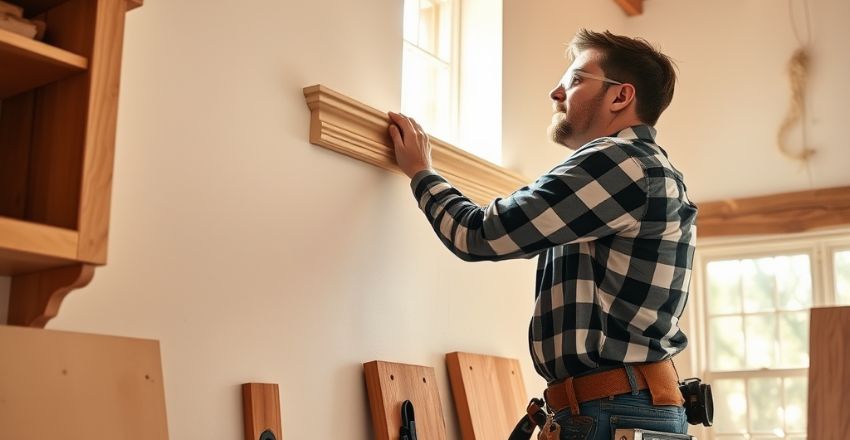
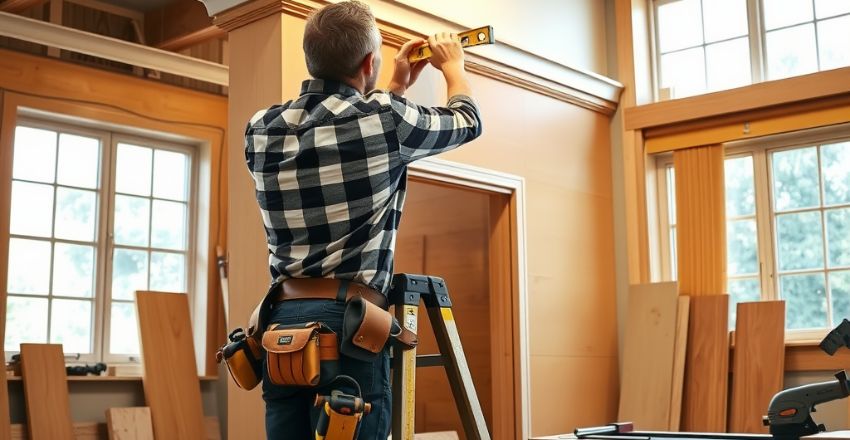
Installing molding requires precise measurements and cutting. It’s important to measure the length and angles where the molding will be installed to ensure a proper fit. For DIY enthusiasts, using a miter saw and coping saw can help achieve clean cuts. Alternatively, hiring professionals for installation can guarantee flawless results, especially when dealing with intricate molding.
Different Rooms
While cabinet molding is most commonly used in kitchens, it can be incorporated into various rooms of a home. In bathrooms, molding around vanity cabinets adds elegance, while in living rooms, it helps showcase custom furniture designs. By adding molding to different areas, you can create a cohesive and polished look throughout your home.

Maintenance and Care
To maintain the appearance of your molding, regular cleaning is essential. Dusting it frequently with a soft cloth helps prevent dirt buildup. Depending on the material, you may need to occasionally apply a wood polish or touch-up paint to maintain its shine and luster. If the molding becomes damaged, repairing it promptly will prevent further wear.
Trends in Designs
Cabinet molding trends change with interior design preferences. In recent years, minimalist and contemporary designs have become popular, favoring subtle moldings or even no molding at all. However, traditional designs featuring more intricate moldings remain timeless. The key is to select molding that complements the overall style of your space while ensuring longevity.
Cost
The cost of cabinet molding depends on factors like material, complexity, and installation. Basic MDF molding tends to be more affordable, while high-quality wooden moldings or custom designs can cost more. It’s also important to factor in the cost of professional installation if you choose to hire a contractor. However, the investment in molding can significantly enhance the appearance of your cabinetry.
Durability
Cabinet molding is highly durable, especially when made from materials like Wood or MDF. Proper installation and maintenance can ensure it lasts for many years. Wood molding is resistant to wear and tear, while MDF provides a smooth, long-lasting finish. Regular cleaning and occasional touch-ups will keep molding looking fresh. Its durability makes it a worthwhile investment, enhancing both the appearance and longevity of your cabinetry.
Conclusion
In conclusion, cabinet molding is a versatile and cost-effective way to enhance the design of your home. Whether you choose crown, base, or panel molding, it adds elegance and sophistication to your cabinetry. With a wide range of materials and styles available, cabinet molding can fit various budgets and design preferences. Proper installation and maintenance ensure long-lasting durability, making it a valuable investment for any home.
Apart from that if you want to know about “Over Fridge Cabinet: A Smart Storage Solution for Your Kitchen” then please visit our “Home Improvement” Category.
FAQs (Frequently Asked Questions)
Molding is a decorative trim that enhances the edges of cabinets, adding a sophisticated touch to any room.
Common types include crown molding (top edge), base molding (bottom edge), and panel molding (adds depth to doors).
Molding is typically made from Wood, MDF, or polyurethane, each offering different aesthetics and durability.
Basic MDF molding costs $1-$3 per linear foot, while premium wood molding can range from $4 to $10 per foot.
DIY installation is possible with proper tools, but professional installation is ideal for intricate or complex designs.

