


Introduction
White paint is a versatile and essential tool in art, home improvement, and DIY projects, offering a clean, timeless appeal for countless applications. While most people turn to store-bought options, making white paint at home provides greater control over its consistency, vibrancy, and durability.
Many people often ask and find ways about “How to Make White Paint“? You can create a smooth, vibrant, and long-lasting white paint tailored to your specific needs by mastering a few simple techniques. Whether crafting eco-friendly paint for an art project or a durable finish for walls and furniture, learning how to combine high-quality pigments, binders, and additives ensures economical and rewarding professional-grade results.
| Primary Material | Titanium Dioxide Powder (for pigmentation) |
| Binder Options | Acrylic Medium, PVA Glue, Linseed Oil |
| Solvent Options | Water (for water-based paint), Mineral Spirits (for oil-based paint) |
| Additives | Calcium Carbonate, UV Stabilizers, Flow Enhancers, Preservatives |
| Tools Needed | Mixing Container, Sifter, Stirrer, Measuring Tools, Painter’s Mask |
| Steps to Smooth Paint | Sift pigment, mix gradually, adjust consistency, and stir thoroughly |
| Steps to Vibrant Paint | Use high-quality pigment, maintain pigment-binder ratio, test opacity |
| Steps to Durable Paint | Use proper binders, add UV stabilizers, incorporate preservatives, apply sealant |
| Common Mistakes | Over-thinning, skipping binders, rapid mixing, unprepared surfaces |
| Advantages of DIY Paint | Cost-effective, customizable, eco-friendly, and rewarding |
| Use Cases | Wall painting, crafts, furniture finishing, artwork |
| Storage Advice | Use airtight containers; label with date and type of paint |
Key Components Behind White Paint Creation
At its core, creating white paint revolves around combining the right pigment and binder to achieve both opacity and smooth application, a principle shared in many DIY paint guides for artists and home projects alike. High-quality white pigments such as titanium dioxide, zinc oxide, or finely grounded chalk form the foundation of white paint because they reflect light effectively and deliver a bright finish, while the binder—whether acrylic medium for water-based paints or oil for traditional formulations—ensures that the pigment particles adhere well to surfaces. Balancing these ingredients thoughtfully and gradually adjusting the consistency with water or medium helps produce a dependable DIY white paint that spreads evenly, covers well, and provides a reliable base for artistic or decorative use.
Understanding the Basics of Making White Paint
Before diving into the process of making white paint that is smooth, vibrant, and long-lasting, it’s important to understand what white paint is and why certain ingredients are used. White paint is a mixture of pigments, binders, solvents, and additives. The pigment – typically titanium dioxide (TiO2) – provides a bright white color. At the same time, binders hold the pigment particles together, the solvent determines the mixture’s consistency, and additives enhance specific properties such as smoothness and durability. By learning how to balance these components, you can create high-quality white paint tailored to your needs, whether for walls, furniture, or artwork.
Tools and Materials Needed for Making White Paint
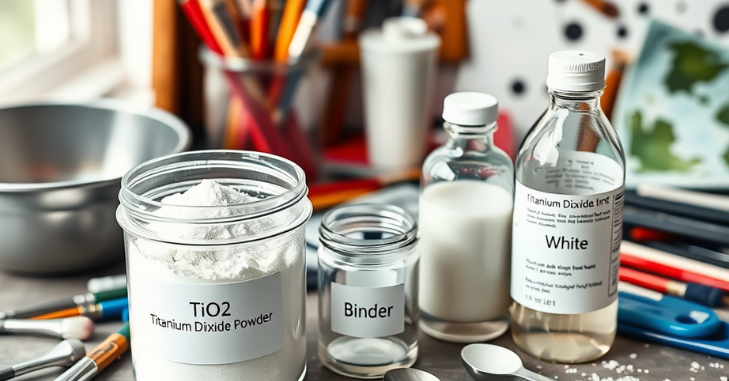
You’ll need a few essential tools and ingredients to make white paint at home. These will vary slightly depending on whether you’re making paint for household use or art, but the standard list includes:
Materials:
- Titanium Dioxide Powder (TiO2): This highly opaque pigment is responsible for the bright white color.
- Binder: Acrylic medium, linseed oil, or PVA glue, depending on your paint type (e.g., acrylic, oil, or latex).
- Solvent: Use water for water-based paints and mineral spirits for oil-based paints.
- Additives: Depending on your needs, additives like calcium carbonate (for texture) or preservatives (to extend shelf life) can be included.
Tools:

- Mixing Container: A wide, deep container for blending your ingredients.
- Measuring Tools: Digital scales or measuring cups for precise proportions.
- Spatula or Stirrer: Mix the components thoroughly.
- Sifter: To remove lumps and ensure smoothness.
- Painter’s Mask: To avoid inhaling fine pigments like titanium dioxide.
How to Make White Paint That’s Smooth
Smooth paint is crucial for achieving a polished and professional-looking surface. Follow these steps to ensure your homemade white paint is free from lumps and clumps:
Step 1: Prepare the Workspace
Choose a clean, dust-free area for making the paint. Lay down protective coverings, as spills are common during this process. Wear gloves and a painter’s mask to avoid skin and respiratory contact with fine powders.
Step 2: Sift the Titanium Dioxide Powder
Place the titanium dioxide powder in a fine mesh sifter to remove clumps. This ensures the pigment disperses evenly in the mixture, resulting in a lump-free and smooth finish.
Step 3: Mix the Pigment and Binder Gradually
Add titanium dioxide to your chosen binder (e.g., acrylic medium or linseed oil). Stir the mixture thoroughly in a circular motion, ensuring the pigment dissolves completely before adding more. Work slowly to avoid air bubbles, which can affect smoothness.
Step 4: Adjust the Consistency with Solvent
Gradually add water or mineral spirits, depending on whether the paint is water- or oil-based. Use a small amount at a time while mixing continuously until the desired consistency is achieved. Proper consistency is key to ensuring smooth application.
How to Make White Paint Vibrant and Opaque
Creating vibrant white paint requires careful handling of the pigment and binder ratio. White paint becomes vibrant when the pigment concentration is high enough to provide full opacity, meaning no surface beneath it shows through.
Step 1: Use High-Quality Titanium Dioxide
Opt for a premium-grade titanium dioxide powder with high refractive properties. This provides better light scattering, which makes the paint appear brighter and more vibrant.
Step 2: Maintain a High Pigment-to-Binder Ratio
For maximum vibrancy, use a higher pigment-to-binder ratio. A good starting point is 70% pigment to 30% binder, though this may vary depending on the paint you’re making. Add the pigment incrementally to ensure even dispersion.
Step 3: Test on a Surface
Before finalizing your paint, test a small amount on a surface to check opacity and vibrancy. If it looks too translucent, add more pigment and mix well.
Step 4: Minimize Additives
While additives are useful for durability and texture, they can dilute the pigment and reduce vibrancy. If brightness is your primary goal, use only essential additives and avoid overcomplicating the formula.
How to Make White Paint Long-Lasting
Durability is critical when making white paint, especially for projects involving walls, furniture, or outdoor surfaces. Here’s how you can ensure your paint stands the test of time.
Step 1: Choose the Right Binder
The binder directly affects the longevity of your paint. Acrylic binders work well for indoor use, as they are durable and resistant to cracking over time. For outdoor or heavy-duty projects, consider oil-based binders like linseed oil, which provide better moisture resistance.
Step 2: Incorporate Preservatives
Homemade paints often lack the preservatives found in commercial products. To prevent mold growth and extend shelf life, add a small number of natural preservatives, like clove oil or store-bought paint preservatives.
Step 3: Use UV Resistant Pigments
Sunlight can make paint lose its brightness over time. If your paint will be used outdoors, ensure the titanium dioxide powder you choose is UV-resistant, or mix in UV-stabilizing additives.
Step 4: Apply a Protective Topcoat
For added durability, especially for furniture or outdoor applications, apply a clear protective sealant or varnish over the dry paint. This will shield the surface from moisture, stains, and scratches, ensuring it lasts longer.
Tips and Tricks for Making High-Quality White Paint
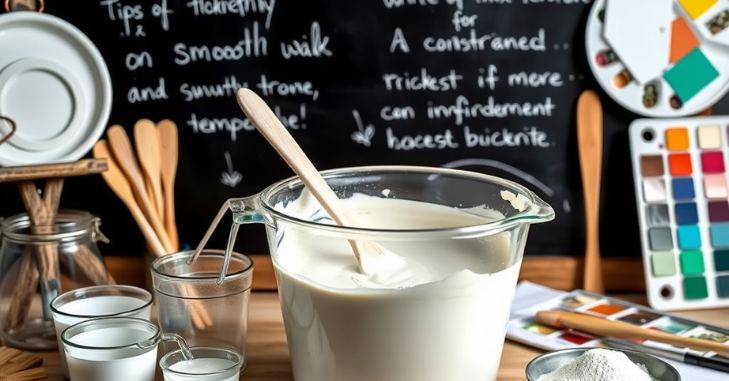
Here are some extra tips to help you get the best results:
- Experiment in Small Batches: When trying a new recipe, make a small batch first to test the color, consistency, and durability.
- Invest in Quality Tools: A good-quality stirrer and sifter can make a big difference in achieving a smooth texture.
- Add a Flow Enhancer: If your paint feels too thick or hard to spread, consider adding a flow enhancer to improve the application without compromising opacity.
- Store Properly: To keep your homemade white paint fresh, store it in an airtight container. Label the container with the date and type of paint to track its usability.
- Sand Between Coats: Lightly sand the area between paint coats with fine-grit sandpaper for ultra-smooth surfaces.
Conclusion
Making your white paint is a creative and rewarding process that allows you to customize its texture, richness, and longevity. By using high-quality titanium dioxide, the right binder, and carefully measured additives, you can achieve a white paint that’s smooth, vibrant, and durable. Whether painting a masterpiece or refreshing your living space, this DIY approach ensures better control over the outcome. Plus, the satisfaction of crafting your paint adds a personal touch to any project. So, gather your tools, experiment with techniques, and unleash your creativity to produce white paint that meets your expectations.
Are you curiosu to read an amazing article on “The Importance of Professional Garage Door Service for Your Home “, then visit and explore our “Home Improvement” category.
Frequently Asked Questions (FAQs)
White light is a combination of all colors, but you can’t make white paint by mixing other colors. White paint is a base color made with white pigment. You can mix white paint with other colors to create shades of white.
The best alternative to white paint will depend on your personal style and the overall look you are trying to achieve.
Off-white: Off-white colors, such as cream, ivory, or beige, can provide a similar look to white paint but with a softer and warmer feel.
Light gray: Light gray is a versatile neutral color that can be used in place of white to create a more modern and sophisticated look.
Pastel colors: Pastel colors, such as light blue, green, or pink, can add a touch of color to your space while still maintaining a light and airy feel.
Textured paint: Textured paint can be used to add visual interest to your walls without the need for a specific color.
Wallpaper: Wallpaper is a great way to add color, pattern, and texture to your walls.
There are many different colors that can be used to make off-white paint. Some popular options include:
Yellow: Yellow can be used to create a warm off-white with a creamy or buttery tone.
Brown: Brown can be used to create a warm off-white with a more earthy tone.
Gray: Gray can be used to create a cool off-white with a more modern tone.
Green: Green can be used to create a cool off-white with a more natural tone.
Blue: Blue can be used to create a cool off-white with a more calming tone.
Homemade white paint can be durable for small projects, crafts, or artwork, but it may not always match the longevity or performance of commercially manufactured paint.
Common white pigments include titanium dioxide, zinc oxide, and chalk powder. These pigments are known for their light-reflecting properties and coverage ability.