

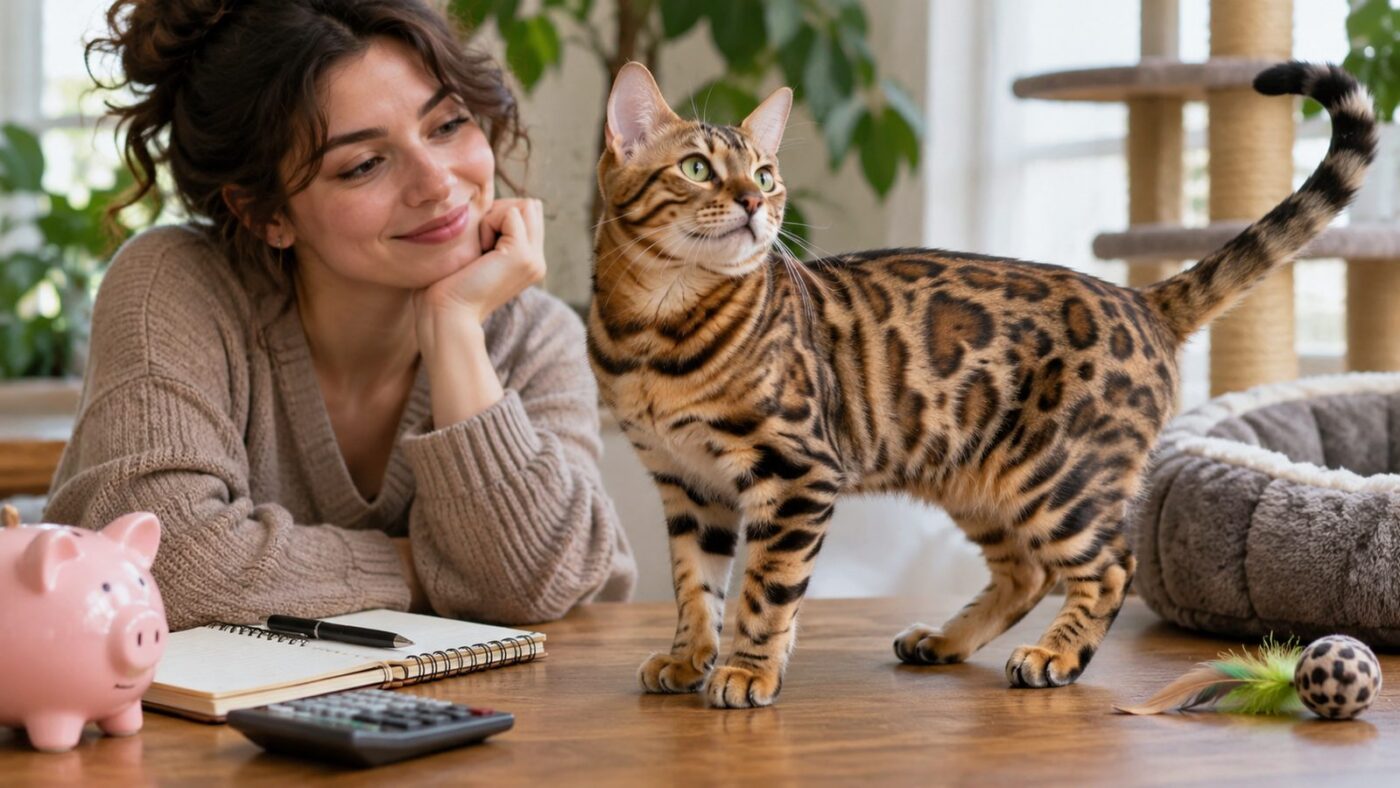
If you are asking how much is a Bengal cat, expect a wide price range in the United States. A responsibly bred pet kitten commonly costs about $1,500 to $3,500 in 2026. Show prospects, breeding rights, rare traits, and early-generation cats can cost considerably more. Quick answer: A pet-quality Bengal kitten from a responsible U.S. breeder usually costs about $1,500 to $3,500. Recent breeder-price research places the middle of the market near $2,250. Adoption can cost far less, while show, breeding, or unusual kittens may cost $4,000 or more.
Bengal Prices at a Glance
Prices vary because buyers are not always comparing the same type of animal. A household pet and a kitten sold with breeding rights can have very different prices. The table below provides useful planning ranges for U.S. buyers.
| Purchase option | Typical U.S. price | What affects the price |
|---|---|---|
| Rescue or adoption | About $75–$500 | Organization, age, included veterinary care |
| Pet-quality kitten | About $1,500–$3,500 | Breeder, pedigree, health testing, region |
| Show-quality kitten | About $3,000–$5,000+ | Conformation, pedigree, markings |
| Breeding rights | About $3,000–$5,500+ | Contract, lineage, breeder program |
| Early-generation kitten | Often $5,000+ | Generation, availability, legal restrictions |
These ranges are planning figures rather than guaranteed prices. Recent research across 30 U.S. catteries found a $2,250 median pet-kitten price. Half of those breeders started between $1,800 and $2,500.
Key Takeaways
* Plan on roughly $1,500 to $3,500 for a responsibly bred household kitten. * A recent 30-cattery survey found a $2,250 median pet price. * Adoption can reduce the upfront expense substantially. * Breeding rights and show prospects commonly increase the purchase price. * Health testing and breeder practices matter more than finding the cheapest listing. * Your first-year budget should include supplies, veterinary care, food, and emergency reserves.
How Much Is a Bengal Cat in the U.S. in 2026?
Most American families shopping through established breeders should budget around $1,500 to $3,500. The International Bengal Cat Society gives a similar $1,800 to $3,500 starting range. Chewy also reports prices from about $1,000 to $3,500, depending on the breeder and kitten. Recent cattery data provides another useful benchmark. One October 2026 survey checked advertised prices from 30 breeders across 24 states. Its median pet price was $2,250, while posted prices ranged from $1,000 to $4,000. Marketplace listings may show lower numbers than established catteries. For example, Everybarn reported a $1,200 median asking price across 123 listings on October 31, 2026. Asking prices are not completed sale prices, so buyers should compare seller standards carefully.
Why Do Bengal Kittens Cost So Much?
Responsible breeding involves more than producing attractive spotted kittens. Breeders may pay for genetic screening, cardiac evaluations, vaccinations, registration, socialization, and veterinary care. Those expenses become part of the final price paid by the buyer. Health screening deserves particular attention with this breed. TICA says breeders should screen for hypertrophic cardiomyopathy and test for PRA-b and PK deficiency. UC Davis offers genetic tests specifically covering Bengal PRA-b and PK deficiency. A higher price does not automatically prove that a breeder follows responsible practices. Buyers should request health records and ask which tests were completed on the parents. Registration papers alone do not replace documented health screening.
What Changes the Price?
Several factors can move a kitten from the lower end of the range toward $4,000 or more. The most important factors usually involve breeding purpose, pedigree, appearance, and seller practices. Location can also change the final bill.
Pet, Show, or Breeding Quality
A pet kitten is usually sold as a companion without breeding rights. Show prospects may fit the breed standard more closely and can command higher prices. Breeding contracts are often more expensive because they permit future reproduction. A 2026 survey found breeding-right prices between $3,000 and $5,500 among participating catteries. The median in that smaller group was $4,000. Buyers who want only a companion usually do not need this added expense.
Coat Color and Pattern
Brown spotted cats are widely associated with the breed, but many colors and patterns exist. TICA recognizes options including brown, silver, seal lynx point, sepia, mink, spotted, marble, and charcoal. Some breeders charge premiums for less common or highly requested appearances. Appearance should not outweigh health or temperament during your search. Dramatic rosettes can make a kitten more expensive without making it healthier. Compare health documentation before paying extra for visual traits.
Age and Availability
Kittens usually command stronger demand than retired breeding adults or older cats. Some breeders rehome adults for lower prices when they leave a breeding program. Rescue groups may also occasionally receive purebred or Bengal-type cats. Adoption availability is less predictable than breeder availability. Adopt a Pet reports substantially lower shelter or rescue costs than breeder prices. Searching patiently can save money while giving an adult cat another home.
Breeder Versus Adoption: Which Costs Less?
Adoption is usually the least expensive route when a suitable cat becomes available. Breed-specific rescues and shelters may charge below $500, depending on their policies. Availability can be limited, especially if you want a kitten with documented pedigree. Buying from an established breeder provides more choice over age, lineage, appearance, and timing. That flexibility comes at a much higher upfront cost. A reputable seller should also provide clear contracts, veterinary records, and health-testing information.
| Option | Upfront cost | Choice and availability | Best suited for |
|---|---|---|---|
| Rescue or shelter | Lower | Limited and unpredictable | Flexible owners |
| Responsible breeder | Higher | More predictable | Buyers seeking a kitten or known pedigree |
Konthly readers comparing purebred pet budgets can also review the Havanese dog price guide. It shows how purchase price can differ from the total ownership budget. The same planning principle applies when comparing cats.
What Should You Budget Beyond the Purchase Price?
The kitten is only the first expense. New owners may need a carrier, litter boxes, scratching surfaces, climbing furniture, toys, food, and veterinary care. Your actual total depends on what the breeder already includes. One recent U.S. cost analysis estimated $131 to $349 for basic new-kitten supplies. The same research estimated $308 to $1,158 for initial veterinary costs. Those figures can rise if medical problems appear soon after purchase. A practical first-year budget can therefore exceed the purchase price by thousands of dollars. One recent 2026 planning model estimated roughly $2,900 to $5,500 for a typical first year. Emergency treatment or premium insurance can push your spending higher. Bengals are active cats, so enrichment deserves part of your setup budget. Climbing areas, scratching surfaces, puzzle feeders, and interactive toys can keep indoor life more interesting. Konthly’s cat window perch guide offers practical ideas for creating elevated indoor space.

How to Judge a Bengal Breeder Before Paying
Start by asking what health tests were performed on the parents. TICA specifically identifies HCM, PRA-b, and PK-deficiency screening as important considerations. Ask to see actual results instead of relying on verbal assurances. HCM deserves particular attention because it affects the heart muscle. Cornell identifies hypertrophic cardiomyopathy as the most common heart disease in cats. Bengals are among the breeds where genetics may play a role. Before sending a deposit, verify the seller’s identity and read the contract. Ask about vaccinations, microchipping, registration, spaying or neutering, and return policies. A live video call can also help confirm that the kitten and breeding environment exist. Use the TICA Bengal breed profile as a starting point for breed information and breeder resources. You can compare another purebred feline profile in Konthly’s Chartreux cat guide. Comparing responsible-breeder practices across breeds can make suspicious offers easier to recognize.
Be Careful With Prices That Look Too Low
A low price is not always fraudulent, especially for rescues or adult rehoming. Still, a purebred kitten advertised far below typical breeder ranges deserves extra scrutiny. Ask why the price differs before paying any deposit. Chewy advises caution when breeder prices fall below $1,000 and recommends verifying the seller. The International Bengal Cat Society also notes that responsible U.S. breeder prices vary by region. Price should be evaluated alongside health testing, documentation, and breeder transparency. Never let urgency replace verification. Scammers may pressure buyers with claims about another interested customer or limited transport availability. A legitimate purchase should leave enough time to review records and understand the contract.
Is a Bengal Worth the Price?
The answer depends on your household, not only your budget. TICA describes the breed as social, curious, active, and strongly interested in interaction. These traits can suit owners who enjoy frequent play and environmental enrichment. The same energy can become demanding for someone wanting a quiet, low-interaction pet. You should consider lifestyle fit before paying a premium for appearance. A less expensive rescue cat may fit your household better. Think about the next decade rather than the purchase day. TICA lists an approximate life expectancy of 12 to 20 years, depending on many factors. Food, veterinary care, enrichment, insurance, and boarding can eventually exceed the original purchase price.
Frequently Asked Questions
How much is a Bengal cat from a breeder?
A pet kitten commonly costs about $1,500 to $3,500 from a responsible U.S. breeder. Recent research placed the median near $2,250 across 30 catteries. Show prospects and breeding rights can cost substantially more.
Can you adopt one instead of buying?
Yes, adoption is possible, although availability can be unpredictable. Rescue and shelter fees may range from below $100 to several hundred dollars. Adults and mixed-breed cats are more likely to appear than pedigreed kittens.
Are silver or snow kittens more expensive?
They can be, because color and demand sometimes influence breeder pricing. A 2026 analysis found premiums for silver or snow coats among several catteries. Health, temperament, and breeder practices should still matter more than color.
What health tests should I ask about?
Ask about HCM screening plus PRA-b and PK-deficiency genetic testing. TICA recommends these checks for breeders working with Bengals. UC Davis provides specific genetic testing for PRA-b and PK deficiency.
How much should I save before bringing a kitten home?
Plan beyond the advertised purchase price. A first-year budget near $3,000 to $5,500 can be reasonable for many households. Keep additional savings available for unexpected veterinary treatment.
Plan the Full Cost Before You Buy
A responsibly bred pet kitten will often cost around $1,500 to $3,500 in the United States. Paying more can make sense when documented health work, pedigree, or specific contract rights explain the difference. Paying less can also be reasonable when you adopt or rehome an adult. Set your total first-year budget before contacting sellers. Compare health testing, included veterinary care, contracts, and seller reputation instead of comparing prices alone. That approach gives you a clearer picture of what you are receiving for your money. Once your budget is ready, research breeders through recognized organizations and consider rescue listings too. Prepare your home with climbing, scratching, resting, and play areas before pickup. You can also browse more Konthly pet guides for more practical pet and household planning ideas. —