

Few television characters can turn five words into a threat like Walter White. The best Walter White quotes capture his shift from frustrated chemistry teacher to feared criminal kingpin. They also reveal his pride, fear, ambition, and eventual honesty about why he chose Heisenberg.
Quick answer: The most memorable Walter White lines include “I am the one who knocks,” “Say my name,” and “Tread lightly.” His dialogue becomes darker as Breaking Bad progresses. Early lines show frustration and fear, while later scenes reveal confidence, control, ego, and finally self-awareness.
| Quick fact | Details |
|---|---|
| Character | Walter Hartwell White |
| Series | Breaking Bad |
| Actor | Bryan Cranston |
| Creator | Vince Gilligan |
| Original run | 2008–2013 |
| Main alter ego | Heisenberg |
| Best-known themes | Power, identity, pride, family, control |
| Most famous line | “I am the one who knocks.” |
Why Walter White’s Dialogue Still Stands Out
Breaking Bad builds its central character through choices, consequences, and carefully written dialogue. Walt rarely becomes powerful through physical strength alone. He uses intelligence, manipulation, reputation, and increasingly direct intimidation.
His most memorable lines also change meaning when viewed across the complete series. A declaration that sounds confident can hide insecurity underneath. A family-focused justification can later look different after his final confession.
That evolution helps explain why fans still debate his best scenes years after the finale. AMC creator interviews have also discussed how viewers continued supporting Walt despite his increasingly selfish choices. His dialogue often makes that uncomfortable attachment easier to understand.
Readers interested in similarly complicated television characters can explore Konthly’s Entertainment section. Konthly also examines the power and insecurity behind Homelander from The Boys. Both characters show how compelling villains can remain fascinating without becoming admirable.
20 Walter White Quotes Fans Still Remember
These short excerpts represent some of Walt’s clearest turning points. Long speeches are not reproduced here, because the surrounding scenes matter as much as individual lines. Each entry explains what makes the moment memorable.
1. “I am the one who knocks.”
This may be the defining line of the entire character. Walt rejects Skyler’s belief that he is simply trapped in danger. He wants her to understand that he now sees himself as the threat.
The scene appears in Season 4’s “Cornered.” Its power comes from the distance between the man speaking and the teacher viewers met earlier. Walt no longer wants safety as much as he wants recognition.
2. “Say my name.”
This short command arrives after Heisenberg’s reputation has become valuable currency. Walt does not merely want cooperation from another dealer. He wants acknowledgment.
The scene shows how deeply identity has become tied to his criminal success. Money no longer satisfies him. Respect, fear, and status now matter almost as much.
3. “You’re goddamn right.”
This response completes the famous “Say my name” exchange. Walt’s satisfaction tells viewers more than a longer speech could. Someone has finally recognized the identity he worked to create.
The moment also exposes the scale of his ego. Heisenberg is no longer a practical disguise. It has become the version of himself he most wants others to see.
4. “I am the danger.”
Walt says this while rejecting Skyler’s fear for his safety. Instead of reassuring his wife, he transforms the conversation into a declaration of dominance. His concern is no longer simply protecting his household.
This line works because the audience already knows danger surrounds him. Walt wants control over how that danger is understood. He refuses to accept the role of frightened victim.
5. “Tread lightly.”
Few television threats are delivered with less wasted language. Walt does not shout or explain what might happen next. The calm delivery makes the warning more unsettling.
The line comes during his confrontation with Hank in Season 5. Their family relationship makes the scene especially tense. Walt is now threatening someone who once represented his ordinary life.
6. “Stay out of my territory.”
This line arrives before Walt reaches the height of his criminal operation. He encounters other people buying supplies associated with meth production. Instead of walking away, he follows them outside.
That choice reveals something important about him. He has started viewing the drug trade as a territory he owns. Pride pushes him toward confrontation even when caution would make more sense.
7. “This is not meth.”
The line precedes one of the show’s earliest displays of Heisenberg-style intimidation. Walt enters Tuco’s space looking far more vulnerable than his opponent. Chemistry changes the balance almost instantly.
The scene establishes a pattern used throughout the series. Walt survives by knowing something others don’t. His scientific expertise becomes both a weapon and a source of confidence.
8. “I won.”
Two words summarize Walt’s reaction after his conflict with Gus ends violently. He frames the outcome like a competition with a clear winner. That framing says plenty about his developing worldview.
Survival certainly mattered during the conflict. Yet his response reveals that victory and dominance mattered too. Defeating Gus strengthens his belief that he can outthink almost anyone.
9. “I’m in the empire business.”
By this stage, financial security can no longer explain Walt’s decisions. He has opportunities to leave with enormous amounts of money. He refuses because leaving would mean surrendering the enterprise he created.
The statement connects his criminal ambition with old resentment. He still carries bitterness about walking away from Gray Matter years earlier. He refuses to feel excluded from another successful venture.
10. “Run.”
The simplicity of this command makes the scene unforgettable. Walt has taken decisive action to save Jesse during a confrontation with Gus’s dealers. There is no speech afterward.
The moment also changes his relationship with violence. He is willing to act directly rather than remaining behind a plan. That willingness becomes increasingly important as his situation worsens.
Walter White Quotes About Power and Control
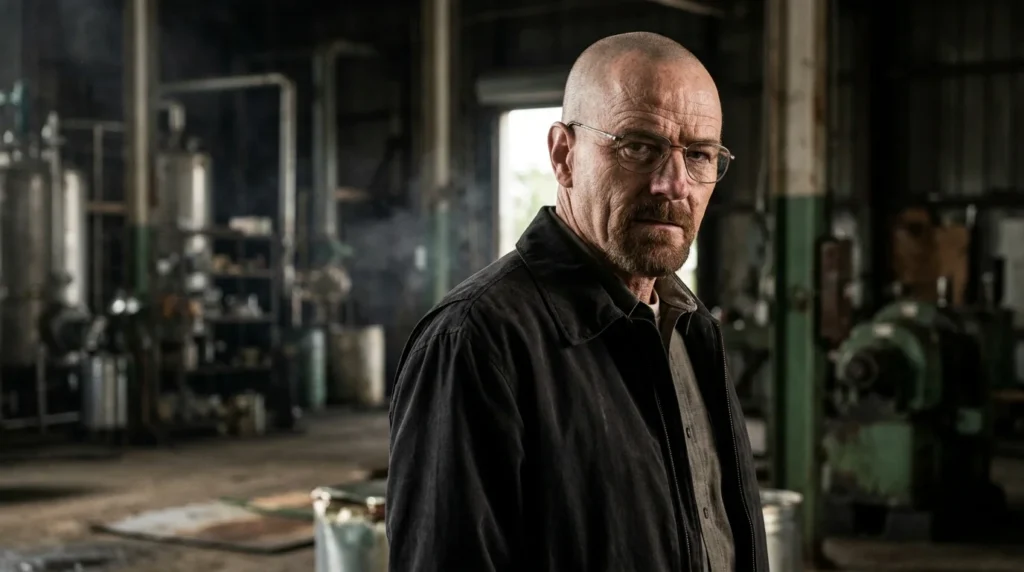
Several famous lines share one clear theme: Walt wants control. His cancer diagnosis begins the story by reminding him how little control he has over his future. Crime initially appears to give some of that control back.
The problem is that his definition of control keeps expanding. Providing money for his family stops being enough. He eventually wants authority over partners, competitors, enemies, and even the way others perceive him.
Consider these short lines together.
- “I am the one who knocks.”
- “Say my name.”
- “I am the danger.”
- “Tread lightly.”
- “Stay out of my territory.”
- “I’m in the empire business.”
Each line asks another person to accept Walt’s version of reality. He wants others to recognize his authority without questioning it. That pattern makes his transformation clearer than any single quote can.
Fans who enjoy character-driven television analysis can browse more of Konthly’s film and television coverage. The site’s feature on King Jaehaerys also examines how authority changes when personal relationships and political power collide.
Quotes That Reveal the Difference Between Walt and Heisenberg
Heisenberg is initially useful because Walt needs anonymity. The hat, shaved head, and different manner create psychological distance from his ordinary identity. That separation becomes harder to maintain as the series continues.
Walt increasingly behaves like Heisenberg even around his family. His criminal confidence enters conversations with Skyler, Hank, Jesse, and Saul. The persona stops functioning like a mask and starts revealing what he enjoys becoming.
That distinction matters when reading the dialogue. Lines about reputation often belong to the man who wants recognition. Lines about family frequently come from the man still defending his choices to himself.
The Quote That Changes How We Understand His Story
11. “I did it for me.”
Walt’s final conversation with Skyler contains his most important admission. For years, he says his choices are about leaving money for his family. Near the end, he finally stops using that explanation.
The confession does not erase his early concern for his family. It does expose how incomplete that explanation became. Power, achievement, excitement, and personal satisfaction eventually drove his behavior.
12. “I liked it.”
This line matters because it removes another possible excuse. Walt does not describe his criminal life only as something circumstances forced upon him. He admits that the experience gave him something emotionally important.
That honesty arrives after enormous damage has already been done. It cannot repair his relationships or reverse his choices. It does give Skyler a truth she has been waiting to hear.
13. “I was good at it.”
Competence is central to Walt’s identity throughout the series. He resents feeling overlooked, even though he believes he has exceptional ability. The meth operation gives him measurable proof of mastery.
That feeling helps explain why money alone fails to satisfy him. The work provides status and validation that he believes ordinary life denied him. Being successful becomes inseparable from feeling significant.
14. “I was alive.”
The final part of his confession explains why danger repeatedly fails to stop him. His illegal work gives him intensity, purpose, and recognition. Those feelings become difficult for him to surrender.
This makes the ending more complicated than a simple story about greed. Walt wanted money, but he also wanted to feel powerful and consequential. His final honesty recognizes that difference.
More Memorable Heisenberg Lines
Not every memorable quote requires a long explanation. Several short lines work because Bryan Cranston’s performance gives them tension or dark humor. Their meaning often depends on the surrounding scene.
- 15. “We’re done when I say we’re done.” A direct statement of control.
- 16. “I am awake.” An early sign that his diagnosis has changed his outlook.
- 17. “Nothing stops this train.” A reflection of growing confidence and momentum.
- 18. “I have nothing to lose.” Fearlessness becomes both strength and danger.
- 19. “We’re a family.” Painful because his actions have already fractured that family.
- 20. “My name is Walter Hartwell White.” The ordinary identity behind the Heisenberg myth.
Together, these lines show more than a collection of intimidating moments. They trace changes in motivation, self-image, and responsibility. Reading them chronologically turns the quotes into a compact version of his character arc.
What Is the Most Famous Walter White Quote?
The strongest candidate is “I am the one who knocks.” It appears repeatedly in quote collections, fan discussions, and references to the series. The line also summarizes Walt’s desire to stop being viewed as powerless.
“Say my name” is probably its closest rival. That scene focuses less on survival and more on reputation. It captures the point where recognition as Heisenberg has become a reward in itself.
“Tread lightly” deserves a place among the top three. Its restraint sets it apart from the louder threats elsewhere in the series. Walt believes his reputation can now do most of the intimidating work.
Why These Lines Became Part of TV Culture
Strong dialogue helps, but performance matters just as much here. Cranston shifts between anxiety, arrogance, restraint, rage, and dark humor throughout the series. Short sentences can feel completely different depending on which version of Walt delivers them.
The writing also gives many lines clear dramatic setups. Viewers remember the confrontation, facial expression, silence, or consequence surrounding the words. That context makes a five-word quote carry an entire scene.
Creator Vince Gilligan has described Breaking Bad partly as an experiment in audience sympathy. Viewers were forced to decide when, or whether, they stopped supporting its protagonist. Walt’s persuasive dialogue helps make that question harder.
Frequently Asked Questions About Walter White Quotes
What are the best Walter White quotes from Breaking Bad?
The most famous choices include “I am the one who knocks,” “Say my name,” “I am the danger,” and “Tread lightly.” Each represents a different stage of Walt’s transformation. His final confession most clearly explains his motivations.
What episode has “I am the one who knocks”?
The line appears in “Cornered,” Season 4, Episode 6. Walt says it during a tense conversation with Skyler. She fears someone could attack him, while he insists he has become the dangerous person.
When does Walter say “Say my name”?
The exchange occurs in Season 5, Episode 7, appropriately titled “Say My Name.” Walt demands recognition from Declan during a business confrontation. The scene shows how important the Heisenberg reputation has become to him.
What does “Tread lightly” mean in Breaking Bad?
It warns Hank after he confronts Walt about his secret identity. The phrase sounds restrained, but the threat behind it is clear. Their family connection makes the moment more disturbing.
Why does Walter finally admit he did it for himself?
His confession removes the family justification he used for much of the series. He admits that he enjoyed the work and felt talented doing it. The statement provides emotional closure without excusing the harm he caused.
Final Takeaway
The most memorable Breaking Bad dialogue works because it tracks a character changing in plain sight. Walt begins frightened by death, then becomes increasingly intoxicated by control and recognition. His shortest lines often reveal that transformation better than his longer explanations.
Rewatching these scenes in order gives the quotes a different meaning. The intimidating lines feel less heroic when you see their consequences. The final confession then makes clear what his earlier excuses could not.
For more television characters, actors, and entertainment features, explore Konthly’s Entertainment coverage. Comparing different antiheroes can also reveal why audiences stay interested in morally difficult characters. The best stories make that fascination worth examining, not merely celebrating.
—–